


Proper Storage for Vegetables and Fruit
- Elizabeth Cancade

- Apr 14
- 4 min read
Simple tips to help your fruits and vegetables last longer

One of the easiest ways to make meal planning work for real life is to prep ingredients ahead of time. Washing greens, chopping vegetables, or portioning fruit at the start of the week can make everyday cooking feel much easier.
But prepping food is only half the story. How you store those ingredients matters just as much. The right storage choices can help produce last longer, reduce food waste, and make your weekly grocery budget go further.
Let’s look at a few simple things to keep in mind.
Choosing Storage Containers: Plastic or Glass?
Many kitchens already have a collection of plastic containers, and that’s okay. Before tossing them out and replacing everything at once, it’s worth thinking about the most practical and sustainable approach for your situation.
Ask yourself:
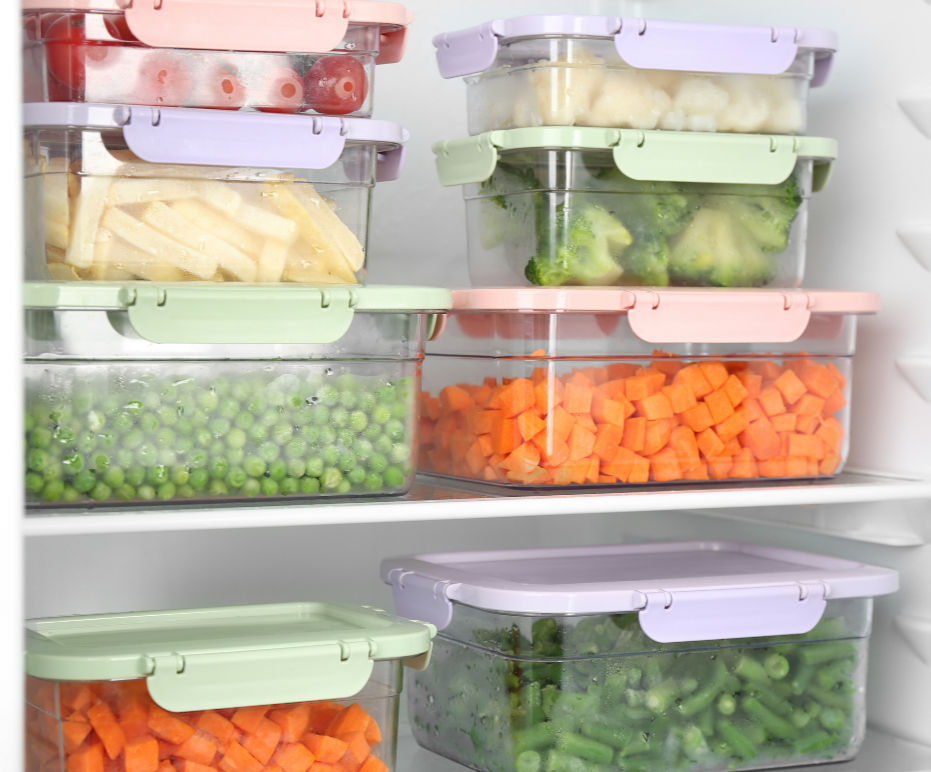
Are the containers still usable?
Could they be donated instead of thrown away?
Is switching to glass something that could happen gradually over time?
A slower transition is often both more affordable and less wasteful.
Plastic containers
Plastic containers are common for a reason—they’re lightweight and inexpensive.
Pros
Light and easy to pack for travel or lunches
More affordable in the short term
Cons
Plastic breaks down over time and may release microplastics
Can absorb odors and stain easily
Glass containers
Many people eventually prefer glass storage because of its durability and longevity.
Pros
Non-toxic and doesn’t leach into food
Heat resistant
Doesn’t absorb odors or stain
Durable and long-lasting
Cons
Heavier for travel or packed lunches
Higher upfront cost

At Living Simply Kitchen, we’ve been working toward more sustainable food storage for years. Our glassware exchange program was recognized by the City of Brandon and the Brandon Chamber of Commerce with the 2024 Green Award for its eco-friendly food storage system.
Storage for Vegetables So They Last Longer
Taking a few extra minutes to store vegetables properly can make a big difference in how long they stay fresh.
Good storage helps maintain texture and flavour—and prevents those half-used vegetables in the fridge drawer from going to waste.

A few general guidelines:
Store washed and chopped vegetables in airtight containers.
Keep leafy greens dry to prevent premature wilting.
Use breathable storage for vegetables that prefer airflow.
Label containers with the prep date so you know what to use first.
When vegetables are already washed and ready to go, it’s much easier to add them to soups, stir-fries, salads, or grain bowls during the week.
Broccoli, Brussels sprouts, Cauliflower, Green Beans | Store in an airtight container in the fridge. Wash just before using or prepping. |
Carrots (tops removed), Celery | Carrots store in produce drawer in air tight container. Celery store up right in water - like flowers in a vase, in the fridge. Prep: Cut to size and store in container with water. Change the water every 3 days. |
Lettuce, Greens | Wash, allow to completely dry, wrap in paper towel and store in air tight container. |
Herbs | Best prepped when needed. |
Mushrooms | Store in the fridge in a paper bag. |
Onions, Root Vegetables (beets, parsnips, yam, potato, radish, carrots (with tops)), Winter Squash (pumpkin, butternut squash) | Store in a cool dark place with good air circulation. Store onions away from other vegetables. Prep: Can be cut and stored in the fridge in an airtight container. |
Peppers | Store whole in fridge but outside of produce bins. Prep: Cut to size and store in airtight container with a paper towel to absorb moisture. |
Storing Fruit for Freshness
Fruit also benefits from thoughtful storage. Some fruits last longer when refrigerated, while others keep better at room temperature until they ripen.
Proper storage helps fruit stay sweet and fresh—and keeps it ready for quick snacks or easy additions to meals.

Remember, fruit isn’t just for snacking. It can also brighten up:
salads
salsas
yogurt bowls
grain bowls
light summer meals
When fruit is washed and easy to grab, it’s much more likely to get eaten.
Apples | Wash. Dry. Store in fridge. Will last on counter for a few days if you prefer to eat at room temperature. |
Avocados, Pear, Stone Fruit (peaches, nectarines, plums, apricots, etc.) | Store at room temperature. Once ripe, transfer to fridge. |
Bananas, Tomatoes | Store at room temperature. Tomatoes lose their flavour if stored in the fridge. |
Berries | Store in airtight container in the fridge. Remove any moldy ones. Wash just before eating. Prep: wash, allow to dry completely, store in sealed mason jar in the fridge. |
Citrus (oranges, lemons, limes, grapefruits) | Store in the fridge. Prep: Store in airtight container in the fridge. |
Grapes | Wash and dry completely, then store in fridge in airtight container. Remove any moldy ones. |
Melons (watermelon, cantaloupe, honeydew, etc.) | Store whole fruit at room temperature. Prep: Store cut melons in the fridge in an airtight container. |
Questions About Food Storage?
It’s impossible to cover every fruit and vegetable in one article. If you’re ever unsure how to store something—or have a specific ingredient you’re curious about—feel free to reach out. We’re always happy to help you make your kitchen routines a little simpler.
Warmly,


Comments